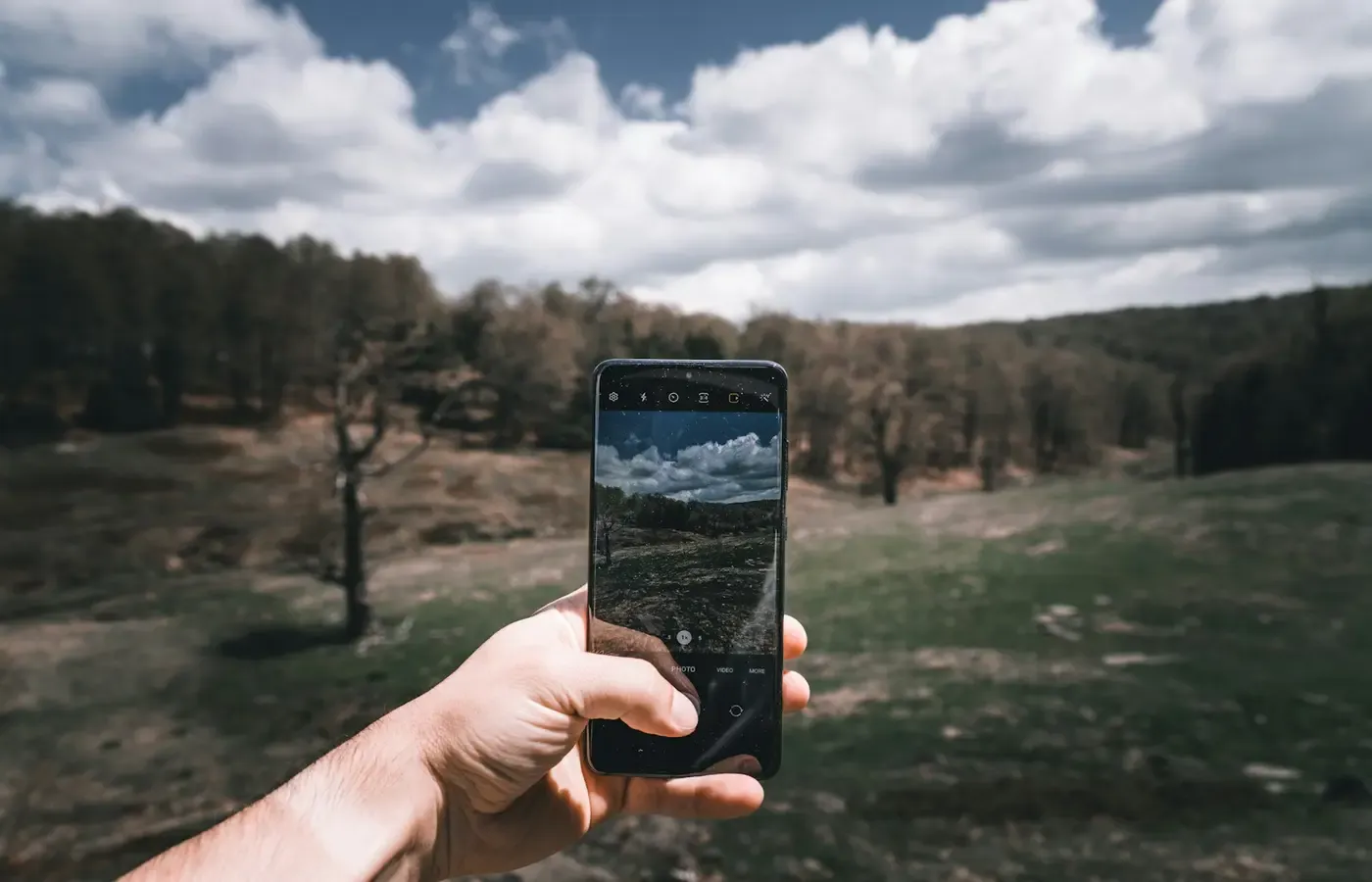
The useful question is not whether a phone camera or a dedicated camera is better. It is whether your phone repeatedly prevents you from making photographs you value.
For many people, it does not. The phone is already in a pocket, opens quickly, produces a shareable image with little intervention and avoids the burden of a second device. That is not a compromise in every circumstance; it is often the system that gets the photograph at all.
A separate camera begins to earn its place when the same limitation keeps returning: a child or pet moving indoors, a bird that is always too far away, a portrait where framing and background matter, an event in difficult light, or a creative practice that has outgrown automatic processing. The purchase is then not about owning a more serious object. It is about solving a repeatable job.
This is a general guide, not a test of particular phones, camera bodies or lenses. Outcomes vary substantially with the exact equipment, light, subject movement, settings and photographer. Before buying for a demanding use, read independent tests of the specific body-and-lens combination you are considering.
Start with the photographs you repeatedly fail to get
A camera decision becomes clearer when it starts with missed pictures rather than specifications.
Look back through recent photos and identify the ones that disappointed you. Were people blurry at a family gathering? Did a distant animal become a small, soft shape in a wide landscape? Did your phone choose a framing you could not meaningfully change? Or did the image look perfectly good until you tried to edit it more deliberately?
Those failures point to different requirements:
- Distance may call for a lens with the focal length needed to fill the frame from where you can stand.
- Movement in dim light may call for a camera-and-lens combination that can gather more light while allowing a sufficiently fast shutter speed.
- Portraiture and composition may make lens choice, framing and optical background separation more valuable.
- Editing may make more direct control over exposure and a file workflow worthwhile.
- Immediate documentation and sharing may still favour the phone, even if a camera could produce a different result under ideal conditions.
The distinction matters because a technical advantage is not automatically a useful one. A photographer who mainly documents meals, friends, walks and family milestones may gain more from a phone that is always available than from a camera left at home. A photographer who repeatedly plans outings around wildlife, sport, performances or portraits has a stronger case for accepting equipment, learning and file management.
Amateur Photographer’s comparison of smartphones and digital cameras makes the core difference plain: phones have become capable multi-camera devices, while dedicated cameras retain more room for larger sensors and interchangeable lenses. Those are meaningful advantages, but only when they match the picture you are trying to make.
Where the phone remains the better camera
The phone’s decisive advantage is not merely portability. It is a complete, low-friction chain: capture, review, edit, back up or share, often within minutes. That chain can matter more than the theoretical quality ceiling of another device.
For ordinary photographs in reasonable light, a phone can be a highly effective tool. It is familiar, connected and designed to make a polished image with little technical decision-making. Its automated processing can be especially welcome when the alternative is missing a moment while changing settings, selecting a lens or retrieving a camera from a bag.
A phone is also usually the better choice when photography is incidental to another activity. On a holiday where you want to travel lightly, at a dinner where a camera would change the social atmosphere, or during a walk where you do not want another object to protect and charge, convenience is not a shallow concern. It determines whether the device is used.
Keep the phone as your main camera if these descriptions fit:
- Your photographs are principally viewed on phones and shared soon after they are taken.
- You value a quick, dependable record more than control over the process.
- Most subjects are nearby and reasonably still.
- You do not enjoy editing, organising files or carrying a bag.
- Your dissatisfaction with phone photos is occasional rather than recurring.
That last point is particularly important. A handful of disappointing low-light or zoom photographs each year may not justify a new system. Borrowing or renting equipment for a specific trip or event can be a more proportionate answer.
What a larger camera system can make possible
Dedicated cameras offer a different set of tools rather than a blanket guarantee of better photographs. Their practical strengths commonly arise from larger sensors, physical controls and the ability to choose a lens for a task. As Amateur Photographer notes, cameras have substantially more physical space for larger sensors than smartphones, as well as interchangeable-lens options.
Lens choice changes the photograph before editing
The most persuasive reason to carry a camera is often not sensor size but access to an appropriate lens.
A long lens can make a distant subject occupy more of the frame without requiring you to crop heavily after the fact. This matters for wildlife, field sports, stage performances and some travel photography, where moving closer is either impossible or inappropriate. A wider lens may help when working in tight interiors or when you want to place a subject within its surroundings. A bright portrait lens can give you more control over framing and the visual relationship between a person and the background.
None of this means every lens purchase is justified. Lenses add cost, weight, decision-making and maintenance. But if you repeatedly find yourself wanting one particular view that your phone does not provide, a dedicated system offers a more direct route to it.
Controls can be useful when conditions are not predictable
Physical controls can help a photographer respond quickly to changing light, movement or composition. They can also make deliberate exposure choices easier to repeat. That does not make a camera inherently simpler: learning to use those controls takes time, and automated modes remain useful on many cameras.
The benefit is clearest when you want agency over the result rather than simply a successful record. If changing shutter speed, aperture, focus behaviour or focal length sounds like work you would rather avoid, the phone’s approach may be better aligned with how you want to take photographs.
Larger sensors are an opportunity, not a promise
A larger sensor may be useful in difficult light and can contribute to different control over depth of field. But it is not a shortcut around movement, poor technique or an unsuitable lens.
A night scene with stationary architecture poses a different problem from a child running indoors. In the first, a phone’s automated processing may produce an attractive result with little effort. In the second, freezing movement can be more demanding, and a dedicated camera with an appropriate lens may offer useful flexibility. The actual result will depend on the specific phone, camera, lens, exposure choices and the subject itself.
Avoid buying on a broad claim that one category always wins in low light. Instead, define the scene you care about: indoors under household lighting, a concert from a seat, a dog at dusk, street scenes after dark. Then seek model-specific independent comparisons made under relevant conditions.
Low light, reach and action are the harder tests
Three recurring situations make the case for a camera stronger: distant subjects, fast action and genuinely difficult light. They also reveal why generic comparisons are of limited use.
For a distant animal, the question is not simply whether a camera has “better zoom.” It is whether a lens gives you the angle of view required from the distance at which you can photograph responsibly. For indoor sport, the relevant question is whether a chosen camera and lens can focus and expose effectively enough for your particular venue and subject. For portraits, ask whether the desired framing and separation between subject and background matter enough to make a lens system worthwhile.
These are practical jobs. They can be tested before purchase.
If possible, borrow or rent a camera for the situation that prompted your interest. Photograph the same subject over a few sessions. Notice not only the files but also whether you brought the equipment, whether lens changes were tolerable, whether the controls helped and whether you enjoyed the work. A camera that produces a potentially better image but changes a hobby into a logistical chore may not be the right purchase.
A camera is also a workflow
The body and lens are only the visible portion of ownership. A separate camera introduces a separate routine.
There is charging another battery, deciding what to pack, carrying a bag, storing memory cards, transferring files, backing them up and finding them again later. Some systems make transfer straightforward; others may fit poorly with your phone, computer or preferred editing tools. The exact experience is model- and software-dependent, so check current documentation and independent reviews before committing.
This extra work can be a cost or a pleasure. Some people want the pause between taking a picture and reviewing it. They enjoy selecting files and editing with intention. Others want photographs to appear automatically in the same library as everything else. Neither preference is more serious.
Before purchase, consider these questions:
- Where will photographs live after the memory card is full?
- How will you back them up, and what storage will that require over time?
- Can you transfer images conveniently to the device where you actually edit and share them?
- Will you carry the camera on ordinary days, not only on a planned photography outing?
- Do you want to learn a system, or do you want the camera to disappear into daily life?
Long-term reliability, repairability, weather resistance, software support and app compatibility should also be verified for the exact system. The available research for this guide does not establish those matters across brands or models.
Count the whole system cost, not just the body
A camera body price can obscure the cost of making it useful. A workable system may also involve one or more lenses, memory cards, spare batteries, charging equipment, a bag, storage, backup arrangements, cleaning supplies and potentially editing software. Repairs and accessories can be relevant later; resale value is uncertain and should not be treated as a saving in advance.
Make a full list before you decide. Then separate essentials from imagined future needs. A person buying for portraits may need a different first lens from someone photographing wildlife. Buying a body first and assuming the rest will sort itself out is an easy way to acquire an expensive compromise.
Used equipment can be the sensible entry route
Used equipment can reduce the cost of discovering whether photography will become a lasting practice. It is particularly attractive when you are unsure whether you need a system at all, or when a previous-generation camera offers the controls and lens access you need.
It also requires more inspection. Check the seller’s return terms, visible lens condition, included accessories, battery condition, signs of damage and whether the camera and lenses can still be serviced where you live. For cameras that record a shutter count or other usage information, understand what it does—and does not—tell you about condition. Confirm compatibility between body, lens, charger and storage media rather than assuming that physically similar equipment works together.
There is no need to frame used as second-best. It can be a deliberate way to reduce financial exposure while learning what focal lengths, controls and carrying arrangements you actually use.
The decision card: buy for a repeatable job
A dedicated camera earns its place when it solves a limitation you encounter often enough to accept the extra cost, weight and workflow.
Keep using the phone when convenience, immediate sharing and everyday documentation are the priority. Upgrade your technique before your hardware: move closer when possible, pay attention to light and composition, and learn what your current camera does well.
Borrow, rent or buy used when your need is occasional or still uncertain. This is the appropriate route for a single wildlife holiday, a season of children’s sport or a growing interest that has not yet become a habit.
Build a dedicated system when the same photographs keep eluding you and you can name the reason: reach, movement, low light, lens choice, control or a more deliberate editing process. Start with the smallest system that addresses that job rather than buying for every hypothetical future use.
Before spending, write down one subject and one lighting scenario. Identify the framing or control you lack, estimate the full system cost, decide what you are willing to carry, and read independent tests of the exact body-and-lens pairing. If that exercise does not produce a clear answer, the phone you already own remains the better purchase.
Sources & methodology
This guide uses a general comparison source rather than model-specific laboratory testing. Amateur Photographer’s smartphone-versus-digital-camera guide was used for the broad distinction between phone-camera convenience and dedicated cameras’ larger sensors and interchangeable lenses.
The article does not claim universal differences in autofocus, zoom quality, battery life, print size, durability, repairability, security, support duration or image quality. Those conclusions require current evidence for the specific phone, camera, lens, software version and use case under consideration.